
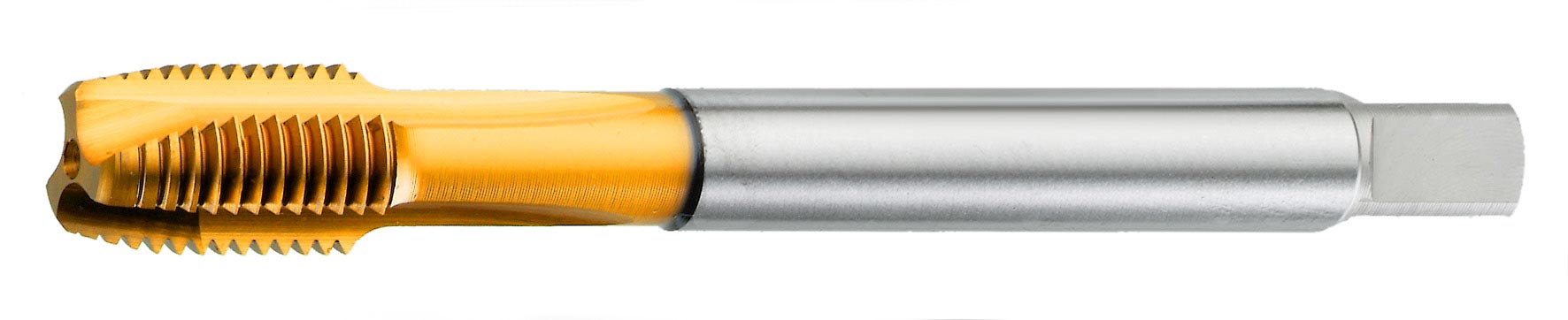
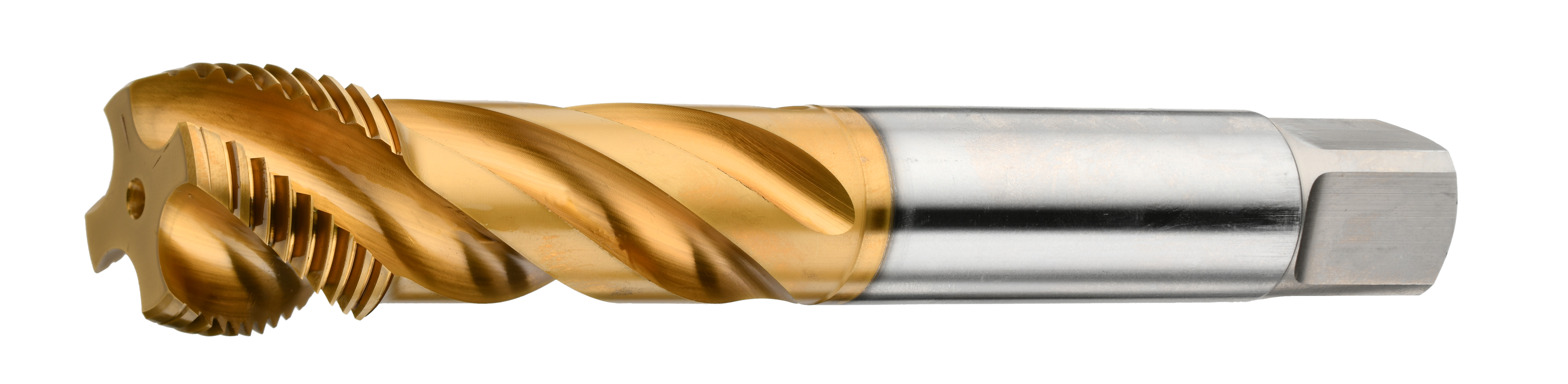
Machine taps "MF"
Difference Between a Through Hole and a Blind Hole
Through holes and blind holes are two fundamental types of holes used in manufacturing and machining.
Through Hole
A through hole extends completely through the workpiece. The hole has an opening on both the entry and exit sides.
Characteristics:
- Passes entirely through the component
- Easier chip evacuation
- Commonly used for screws, locating pins, and fastening applications
Blind Hole
A blind hole is drilled only to a specified depth and does not penetrate the material completely. The bottom of the hole remains closed.
Characteristics:
- Terminates within the workpiece
- Requires a defined drilling depth
- Commonly used for threaded holes, fits, and concealed fastening applications
In Brief
- Through hole: The hole passes completely through the workpiece.
- Blind hole: The hole ends within the workpiece and has no exit opening.
The choice between a through hole and a blind hole depends on the specific design requirements and application.