
Solid Carbide drills
Solid Carbide drills
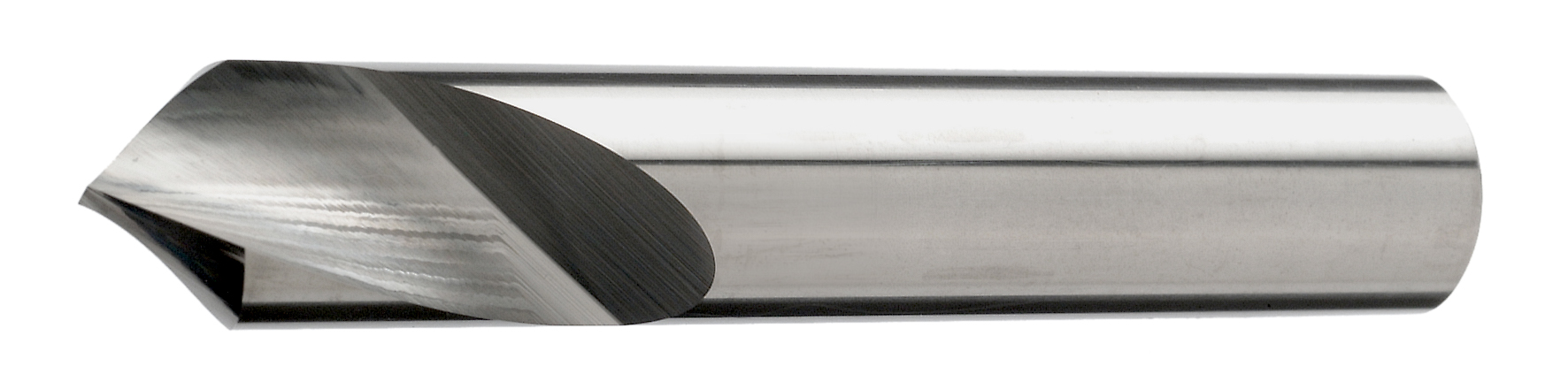
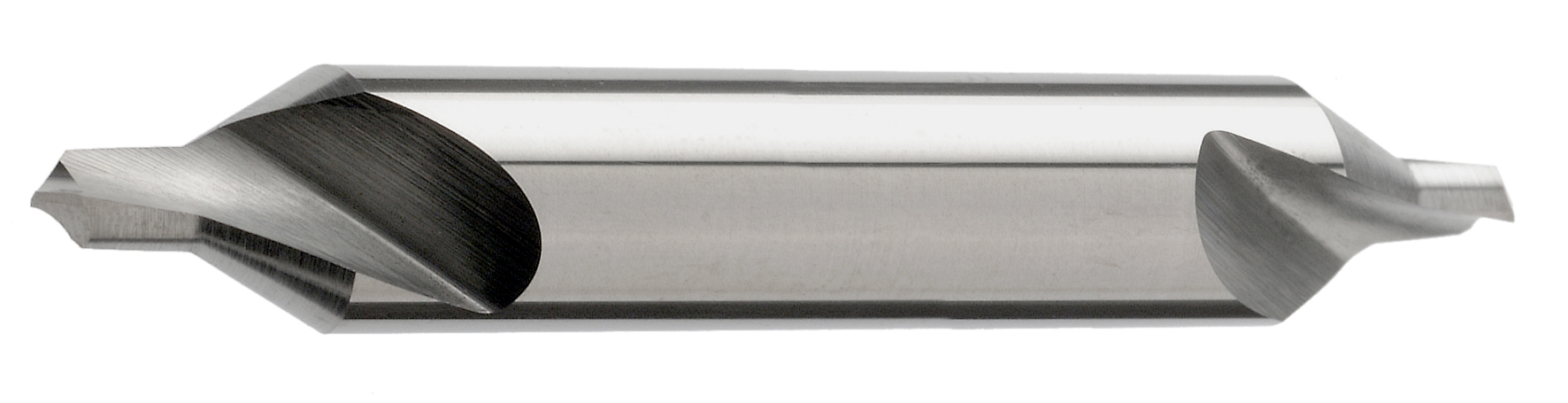
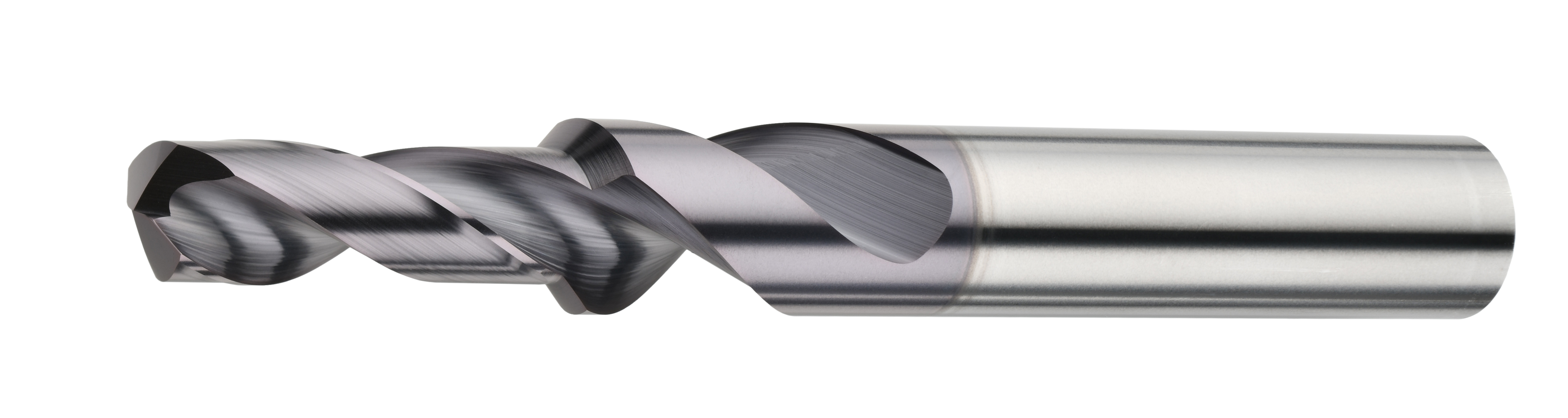


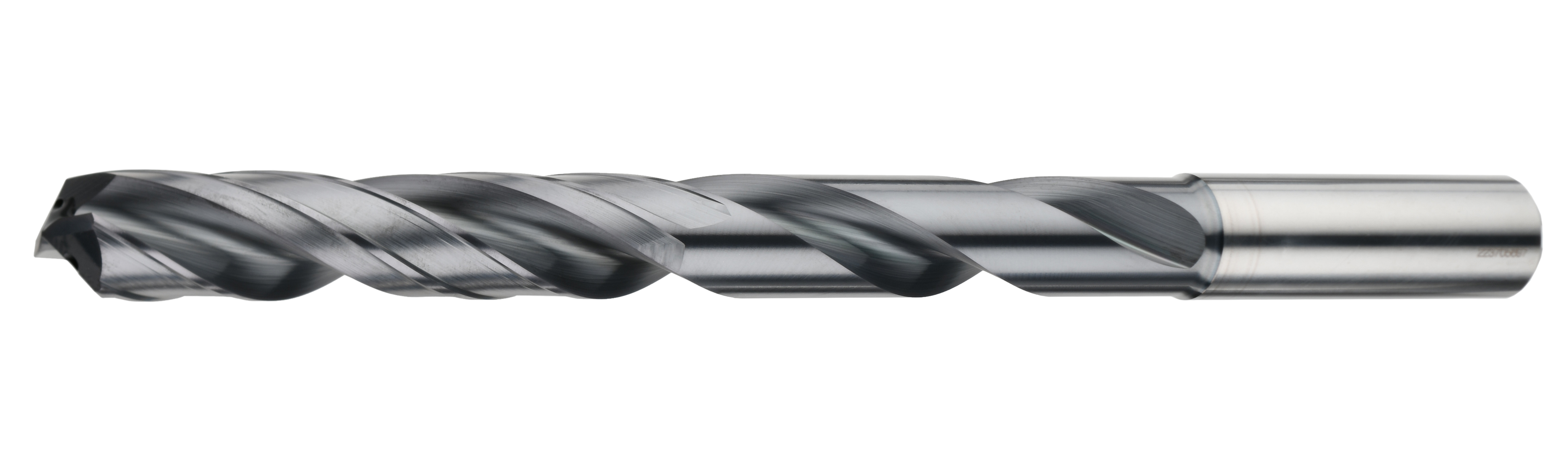
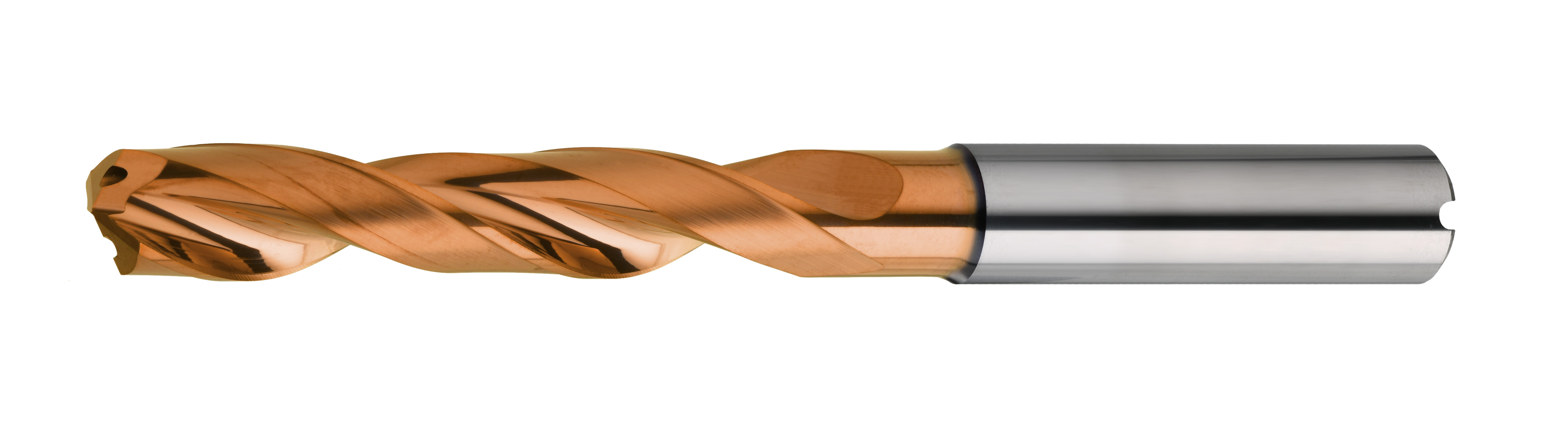





What is a solid carbide drill?
A VHM drill (solid carbide drill) is a precision drilling tool made entirely of solid carbide. Due to the material’s high hardness and wear resistance, it is particularly suitable for drilling demanding materials such as steel, stainless steel, cast iron, or hardened materials.
Solid carbide drills allow for high cutting speeds, excellent dimensional accuracy, and long tool life. For this reason, they are mainly used in industrial mass production and CNC machining processes.
Can solid carbide drills be resharpened?
Yes, solid carbide drills can generally be resharpened. Because carbide is extremely hard and wear-resistant, the grinding process cannot be done with conventional grinding wheels. Instead, diamond grinding wheels on specialized tool grinding machines are required.
During resharpening, the cutting geometry, the point angle, and—if necessary—the thinning of the drill point are restored. This significantly extends the tool life and allows much of the original cutting performance to be regained.
However, resharpening is only practical if enough material remains and the coating or geometry is not too severely damaged. In practice, resharpening is often carried out by specialized tool grinding companies because they have the required precision equipment and machines.
What point angle do solid carbide drills have?
The point angle of solid carbide drills usually ranges between 118° and 140°, depending on the application. The most common angles are 130° or 140°.
Typical point angles and applications
- 118° → Standard drilling in softer materials (e.g., aluminum, plastics)
- 130° → Universal angle for many materials
- 140° → Often used for modern solid carbide drills for steel and stainless steel, as the angle is more stable and allows higher feed rates
Why the angle is important
The point angle influences several factors, including:
- Centering behavior of the drill
- Cutting forces
- Tool life
- Chip formation
A larger angle (e.g., 140°) generally provides greater stability and longer tool life, especially when machining hard materials and in CNC applications.
Solid Carbide drills from Nachreiner
When you see "VHM" at Nachreiner, you know you're looking at high-performance tools built for the toughest metalworking challenges. VHM stands for "solid carbide," and these drills offer superior properties compared to traditional carbide tools. Unlike standard carbide drills, which have carbide tips brazed or screwed onto steel bodies, VHM drills are crafted entirely from a single piece of solid carbide. This construction method leads to significantly higher performance parameters.
Benefits of VHM drills:
- Higher Cutting Speed: VHM drills deliver exceptional performance in material processing.
- Reduced Processing Times: Their high efficiency significantly cuts down machining times.
- Longer Tool Life: Extended durability and enhanced reliability in demanding applications.
Many users are so impressed by the advantages of VHM drills that they increasingly replace HSS (high-speed steel) or HSSE tools with VHM options.
Wide range of applications for Nachreiner VHM drills
Our product range includes a diverse selection of VHM drills suitable for various materials. Each VHM drill is precisely tailored to its target material. Materials that our VHM drills are particularly suited for include:
- Steel
- Stainless steel (VA / Inox)
- Cast iron
- Aluminum
- Copper
- Brass
- Nickel
- Titanium
- Hardened steel
Additionally, we offer drills with advanced coatings and polished flutes to optimize chip evacuation and extend tool life. Special coatings protect the drills from premature wear and environmental factors. For specific applications, we also provide VHM drills with internal cooling to reduce heat and assist with chip evacuation.
Our range includes:
- Center drills
- Coolant-fed drills
- Flat drills
- Deep-hole drills
- Reamers
- Indexable insert drills
- High-performance drills
- Micro drills
- Twist drills in various DIN formats
- Left-hand NC spotting drills
- Step drills
- NC spotting drills (90°, 120°, 142°)